By Jason Duran
The Alabama Bass Trail North Division returns to Pickwick Lake on March 28 for its second stop of the 2026 season, and if there is one word that defines this tournament, it is change.
Pickwick in late March is typically a place where anglers can lean into seasonal progression and build a plan around fish moving steadily toward the bank. This year, however, the conditions suggest something far less predictable. Falling water levels, limited current generation, and rapidly fluctuating temperatures have created a setup where fish are present across multiple phases and locations, but rarely locked into one consistent pattern.
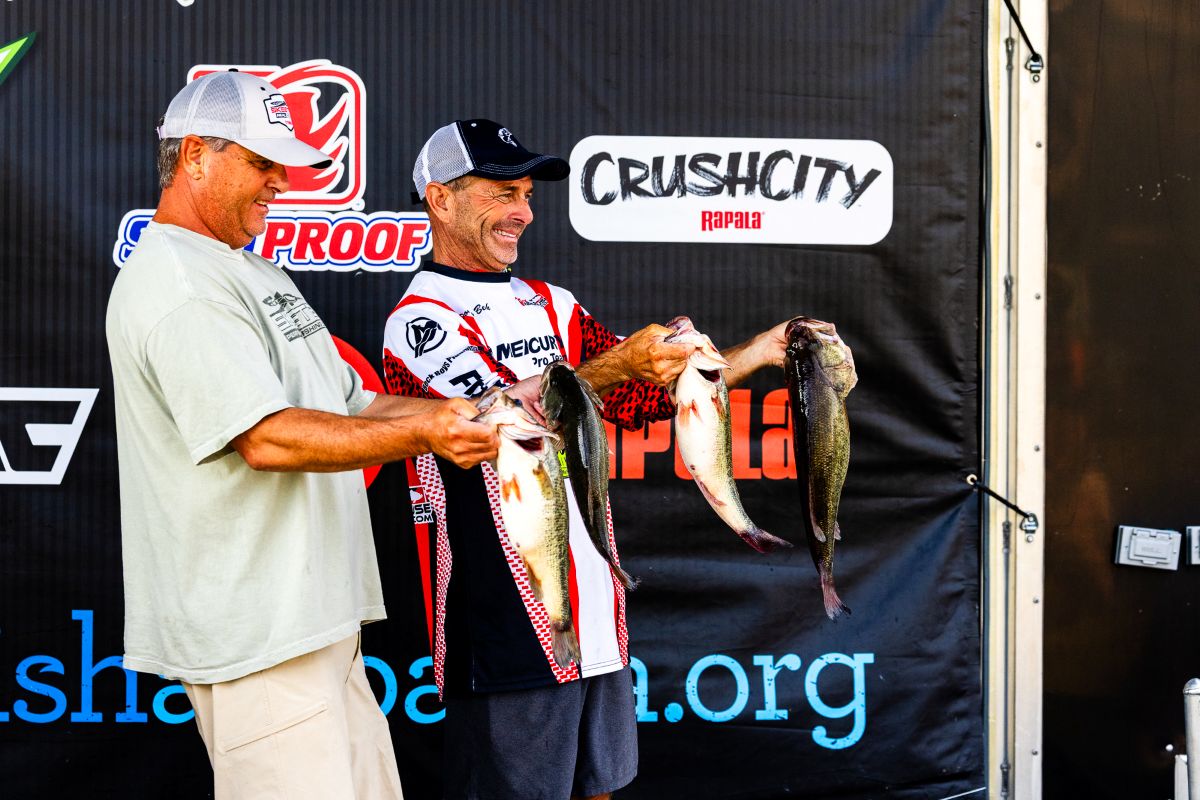
That uncertainty was the central theme in a recent conversation with North Division team Donny Beck and Tony Harvey, two anglers with a deep understanding of how Pickwick behaves when conditions refuse to stabilize.
Around the dam, where current often positions fish and creates some of the most predictable opportunities on the lake, the outlook is far from ideal. Water levels have dropped in recent days, and without an increase in flow, that entire section could become both less productive and more difficult to navigate.
If those conditions hold, much of the field is expected to shift focus downriver, where more stable water may still support both staging and roaming fish. Even there, however, consistency is far from guaranteed.
Seasonally, the lake is in transition. According to Beck and Harvey, the majority of the population remains in a pre spawn phase, but the warm weather has already pushed some fish toward spawning behavior, particularly smallmouth. That overlap between pre spawn, staging, and early spawning fish only adds another layer of complexity, forcing anglers to make constant adjustments throughout the day.
This does not shape up as a tournament where a single pattern carries you from start to finish. Instead, it is likely to reward anglers who can recognize subtle changes and adjust in real time.
“You may find them Friday in one place, and then Saturday you’ve got to change your whole plan,” Beck said.
That mindset points toward a run and gun style event, where covering water becomes just as important as execution. Anglers will likely move frequently, sampling different areas and depths until they intersect with fish that are actively feeding in that moment. While someone may stumble onto a group that holds up throughout the day, the more probable path to success will involve constant decision making and a willingness to abandon yesterday’s pattern.
Forward facing sonar is expected to play a major role in how the event unfolds. On a lake like Pickwick, where fish often suspend or stage off structure during this time of year, the ability to locate and target individual fish in real time can be a significant advantage. Beck believes it could ultimately be the deciding factor.
“I think scoping is probably going to control the tournament,” he said.
Even so, versatility will still matter. Swimbaits and lipless crankbaits should play key roles, especially for anglers targeting fish on flats or those transitioning toward shallow water. The ability to mix approaches and adjust throughout the day will separate those who simply catch fish from those who contend.
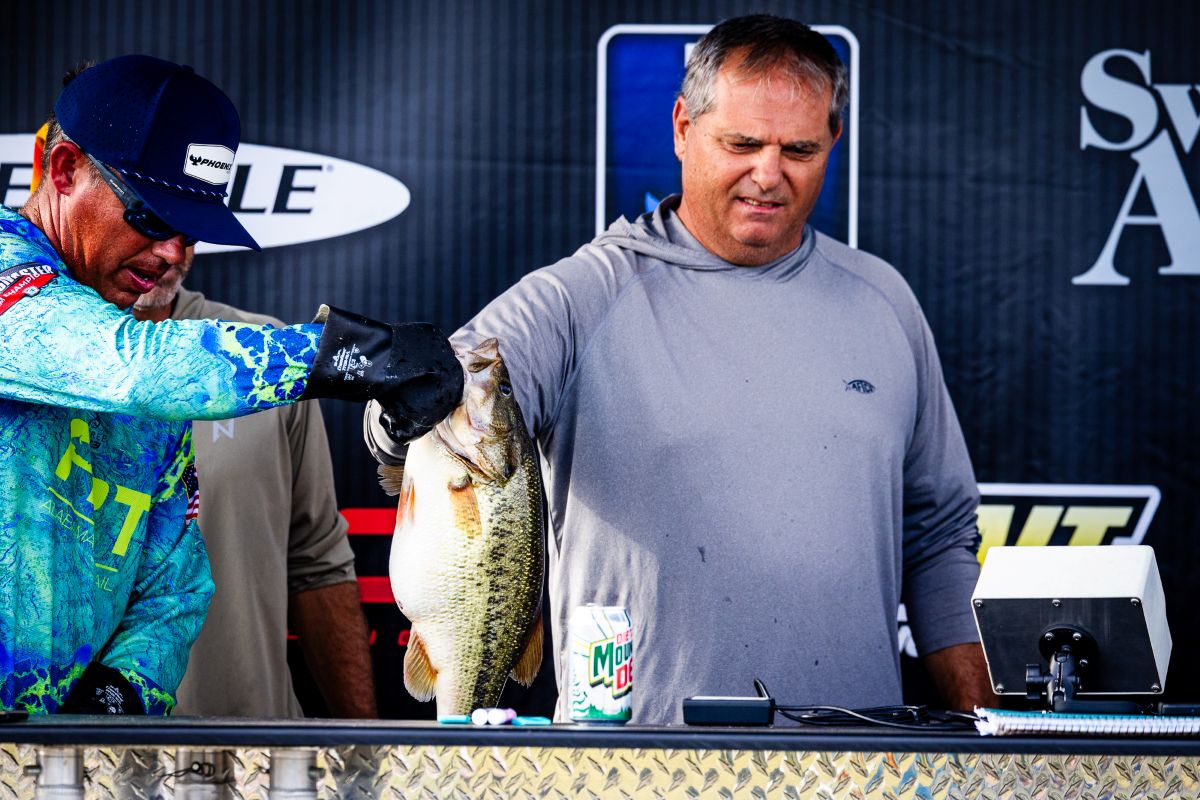
The potential for big fish is always part of the Pickwick conversation, and this event should be no different. With fish in a pre spawn feeding mode, weights could climb quickly for those who connect with the right group. Beck and Harvey expect it will take around 27 to 28 pounds to win, while it could take close to 20 pounds just to secure a check.
Another variable to watch is the presence or absence of grass. Early indications suggest it may be limited, but any productive stretch that is found could quickly become a high percentage area. Boat draw could also influence strategy, not just for access but for time on the water, as this event may reward anglers who can adjust throughout a full day of changing conditions.
For teams new to Pickwick, the advice from Beck and Harvey is simple. Fish to your strengths.
“I think you can catch them anywhere,” Beck said. “From deep water with electronics to fishing shallow, there are fish everywhere. You’ve just got to find how they want to bite that day.”
While performance on the water will define the leaderboard, another important piece of every Alabama Bass Trail event happens after the fish are caught.
Fish care continues to be a major focus for both anglers and the Trail, especially as tournaments grow more competitive and limits grow heavier. With five fish limits often pushing well over 20 pounds, maintaining healthy fish from the moment they are caught until they are released is critical.
One of the key factors in that process is oxygen. As water temperatures rise, the amount of dissolved oxygen in the water naturally decreases, creating stress on fish held in livewells for extended periods. Simply cooling the water with ice may lower temperature, but it does not replenish oxygen levels and can even introduce additional stress through rapid temperature changes.
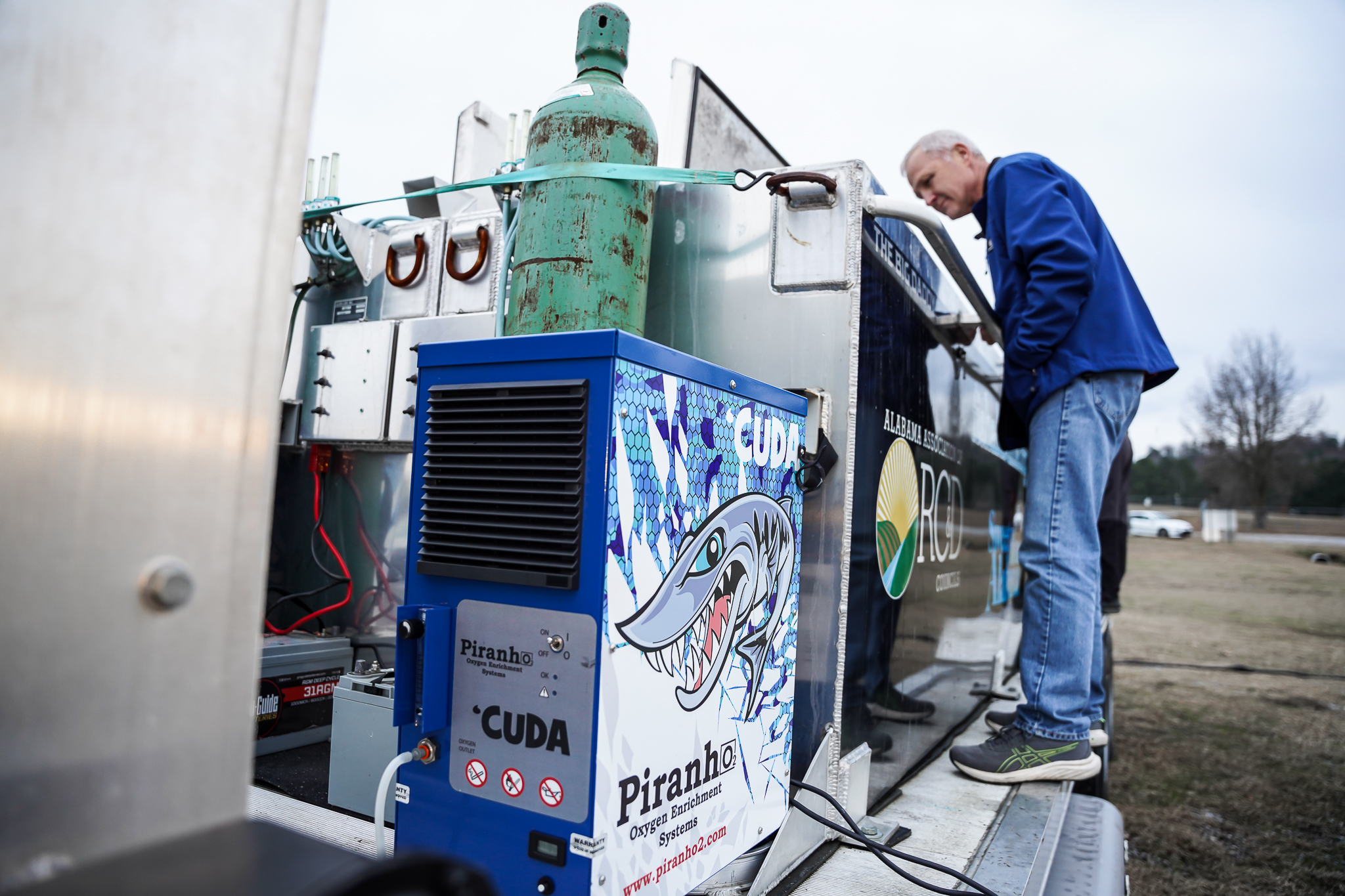
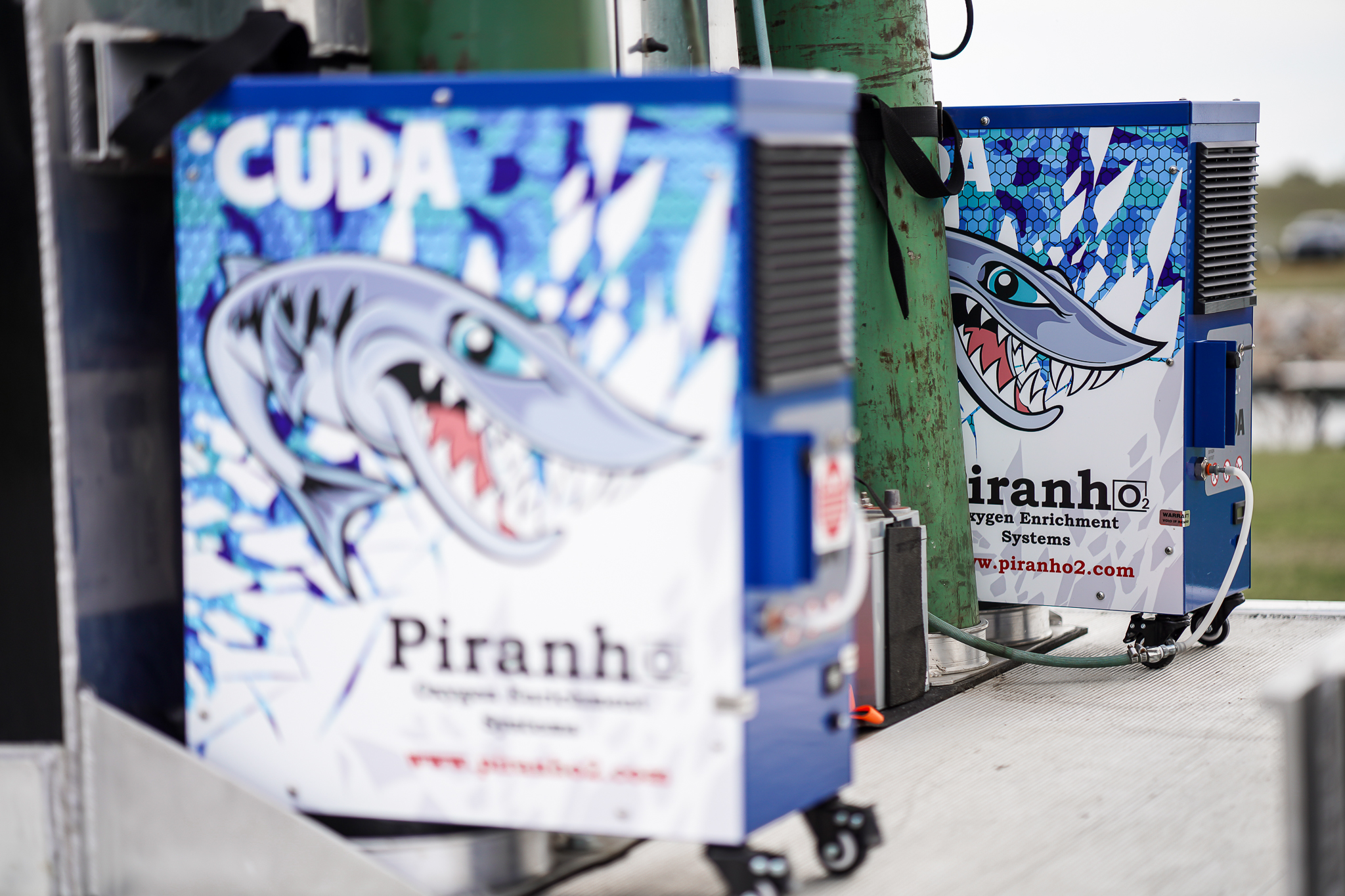
That is where PiranhO2 continues to make an impact across the Alabama Bass Trail. Their systems deliver high concentration oxygen directly into livewells, bump tanks, and release systems, allowing fish to recover faster and remain healthier throughout the day.
“We’re able to provide about five times the natural oxygen saturation compared to standard aeration,” said Joseph Krawczyk. “That allows anglers and tournament organizations to keep fish healthy in livewells for extended periods without the stress and mortality risks you’d typically see.”
From an angler standpoint, that means fish remain active and strong even after hours in the livewell. From a tournament standpoint, it reinforces the Alabama Bass Trail’s commitment to conservation and responsible fish handling.
PiraniO2 systems are also utilized once fish reach weigh in, helping replenish oxygen levels in bump tanks and live release systems. By the time fish are returned to the water, they are often more lively and recovered, a key indicator of a successful fish care process.
At Pickwick, where heavy bags and big fish are expected, that responsibility becomes even more important. It is not just about how much weight hits the scales, but how well those fish are handled every step of the way.
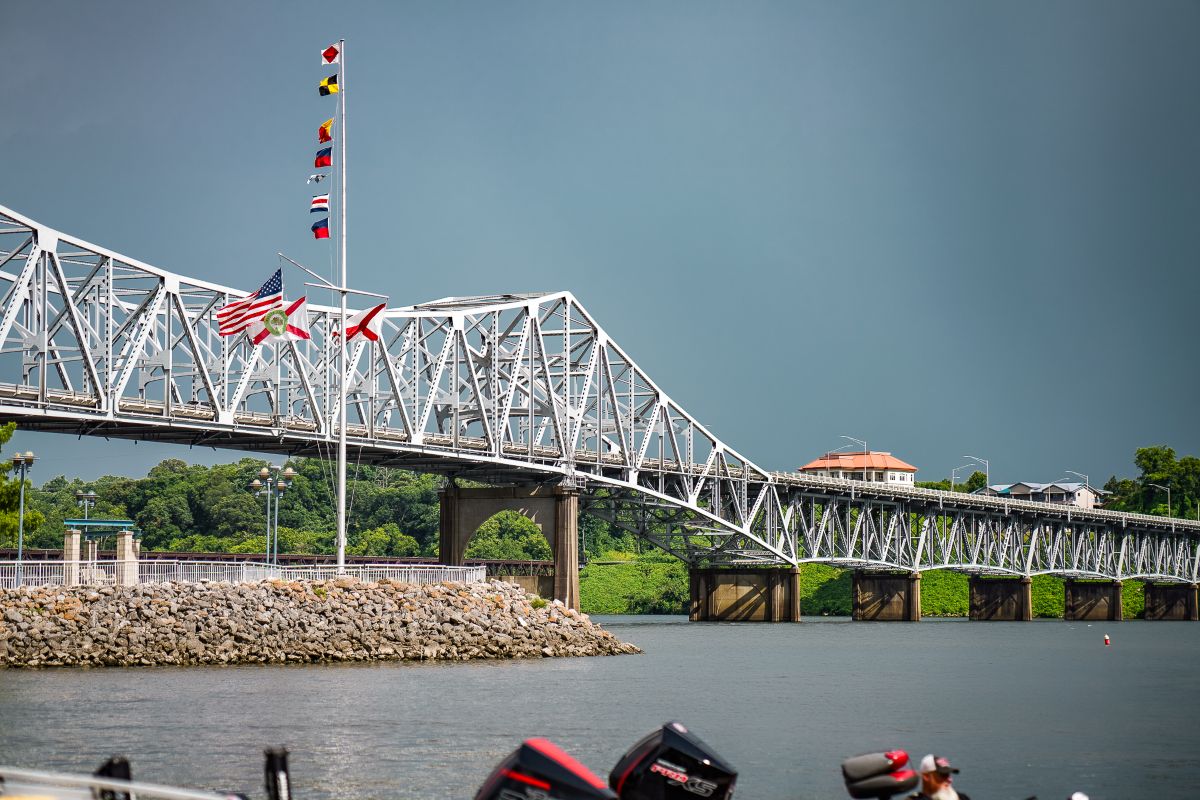
The Alabama Bass Trail North Division Pickwick Lake tournament will launch from McFarland Park, located at 200 James M. Spain Drive in Florence, Alabama. Anglers should be aware that road closures related to the Mitchell Boulevard Bridge replacement may impact travel routes, and are encouraged to check for updates from ALDOT prior to arrival.
Launch will begin at 7:00 A.M. or safe daylight, with the first flight due in at 3:00 P.M.
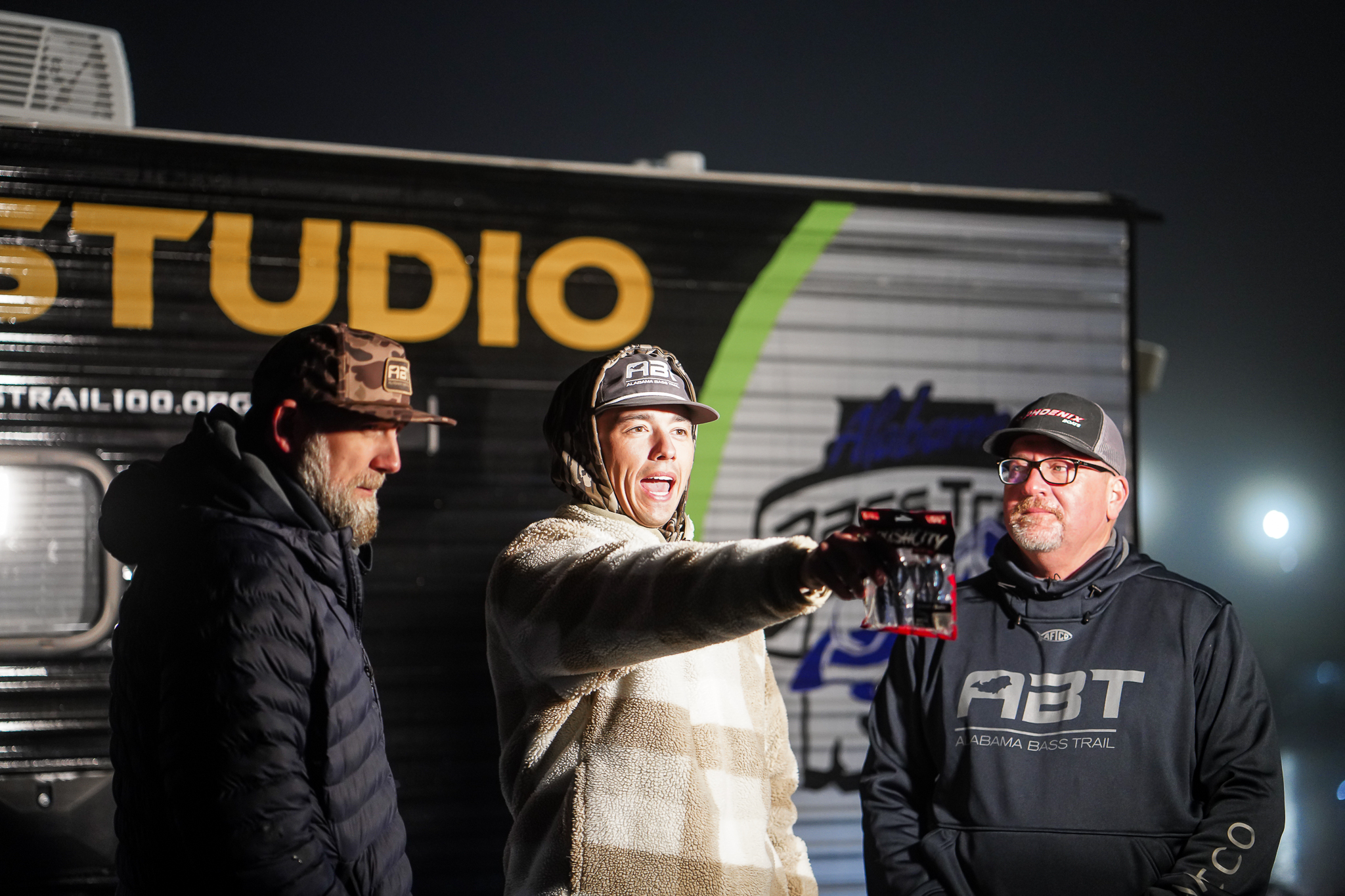
Fans can watch all the live coverage and follow along throughout the day on the Alabama Bass Trail Facebook and YouTube pages, with on the water action, leader updates, and behind the scenes coverage. Weigh in will take place at McFarland Park, where fans are encouraged to attend and experience the excitement as teams bring their best five fish to the scales. For complete details, updates, and coverage, visit www.alabamabasstrail.org.
The 2026 Alabama Bass Trail Team Series is made possible through partnerships with industry leading brands: Phoenix Boats, AMFirst, Larry Puckett Chevrolet, 13 Fishing, Rapala, VMC, CRUSHCITY, Buffalo Rock, Academy Sports and Outdoors, Jack’s, Garmin, Thompson Tractor Company, Pirnah02, Alabama State Parks, Halo Fishing, Snag Proof, NetBait, Bait Fuel, Alfa Insurance Thomas ALFA MAN Shelton, TH Marine Supplies, Power Pole, Pro Guide Batteries, Yamaha, SCUM FROG, E3 Sports Apparel, FishAlabama.org, Sweet Home Alabama, and Alabama Mountain Lakes.


The Alabama Bass Trail is a program of the Alabama Mountain Lakes Tourist Association.

©2026 Alabama Bass Trail | All Rights Reserved | Site by McComm