By Jason Duran
Alabama Bass Trail South Division heads to Lay Lake on March 21 for its second event of the 2026 season, and this one has all the ingredients to turn into the kind of tournament that rewards instinct as much as execution. On paper, Lay in late March should offer plenty of ways to catch them. In reality, this year’s setup looks far more complicated than a clean seasonal progression. Water temperatures have climbed high enough to suggest the lake is well along in the spawning cycle, but recent cold snaps, heavy rain, stained water, and an unusually thick layer of pollen have created the kind of conditions that can leave anglers chasing moving targets all day.
That uncertainty was a major theme in a recent conversation with Chip Bradley and Nick Harris, two anglers who know Lay Lake well enough to understand that it rarely fishes the same from one end to the other and almost never stays static this time of year. “This is gonna be a funky one,” Harris said. “This is gonna be a tricky one. I’ll be blunt honest with you.” That may be the most accurate preview of all.
Lay Lake does not always reward the team that finds “the pattern.” More often, it rewards the team that figures out which section of the lake is in the best position for that particular day, under that particular weather setup, with those exact water conditions. This week, that distinction matters more than ever.
A Lake Spread Across Every Phase
One of the biggest storylines entering this event is just how many seasonal phases appear to be in play at once. Bradley and Harris both described a lake where pre spawn, spawning, and post spawn fish could all factor into the outcome. That alone is enough to create confusion, because it means teams are not simply deciding how to fish. They are deciding which population of fish to target and which progression to trust.
“I caught a post spawner two hours ago,” Harris said during the interview. That one comment says a lot about where Lay is right now. There are fish that have already moved through the cycle, fish that are still moving up, and likely fish that are paused somewhere in between because of changing weather. For a tournament field, that opens the door to a wide range of patterns, but it also makes commitment harder. The winning team may not just find the best area. They may find the right phase.
That matters on Lay because the lake tends to break apart by section. One area can look early, another can look perfect, and another may already feel late. A team can spend too much time trying to sample all of it and never really settle into the place where the tournament is actually being won.
Why Lay Can Be So Hard to Read
Harris described Lay as a “section lake,” and that is one of the most important details in understanding how this event may unfold. Unlike some fisheries where anglers can run a similar program all over the lake, Lay often demands that teams pick a zone and learn it. The upper end, mid lake, and lower end can each behave differently depending on current, clarity, temperature, and fishing pressure. One section may suddenly turn on while another falls flat, and that inconsistency can make practice feel misleading if anglers spread themselves too thin.
“You got five up north, five in the middle, and you got five down south,” Harris said. “Well, one of them’s gonna fire. You know, one section fires, but then the other gonna suck.” That kind of setup puts enormous pressure on decision making. It is not just about finding fish. It is about correctly identifying where the best version of the lake is going to show up on tournament day.
Bradley offered simple advice for teams that may not know Lay well, and it may be the best advice anyone could give going into a tournament like this. “Don’t run around too much,” Bradley said. “Pick an area and break it down.” That advice feels especially important this week. Lay can overwhelm anglers who try to force too many options into a single day. With so much in flux, committing to a section and fishing it with confidence may matter more than having the widest game plan.
Conditions Are Complicating Everything
If the seasonal setup was the first challenge, the current lake conditions may be the second. Heavy rain has added stain to much of the system, and Harris said the pollen in the water is unlike anything he has seen. For anglers who prefer to visually target fish, that matters. For anglers leaning on forward facing sonar, it becomes even more significant.
“It’s just hard to see what you want to see right now,” Harris said. “There’s so much pollen in the water, I’ve never seen it like this.” That reduced visibility does not eliminate certain techniques, but it does force anglers to adjust expectations. In clear water with stable conditions, some teams might feel comfortable building an entire day around what they can see and track. In these conditions, that confidence level changes. Teams may still use electronics to get bites, but the lake may force them to mix in more traditional approaches and react more to water movement, cover, and positioning.
No Single Pattern May Control This Event
What makes this preview so interesting is that both anglers pointed to the same conclusion: this tournament may produce fish on almost everything. “Somebody’s gonna catch a good bag on a buzzbait,” Harris said. “Somebody’s gonna catch a good bag on a Trick Worm. Somebody’s gonna catch a good bag scoping. Somebody’s gonna catch a good bag in the current.” That kind of statement is not just colorful. It says something deeper about the event. It suggests the field may not be chasing one dominant bite. Instead, teams may succeed by matching their strengths to the right section and the right conditions.
If the water remains stained and current increases, the lower end could get very interesting. Bradley noted that if the rain continues and current becomes a factor, there will be some strong bags caught in moving water. That could open the door for power fishing patterns and aggressive fish feeding in places where current positions them more predictably.
If the weather stabilizes and clarity improves in select areas, sight fishing or more targeted approaches could still become relevant. Harris and Bradley both made it clear that in ideal conditions, they would love to visually fish for the right five. “I’d love to just stare at one,” Bradley said. “I want to sight fish all day long.” That may not be realistic this week, but it gives insight into what kind of fish they believe could win the event if conditions line up.
Big Weight at the Top, Tough Fishing Through the Middle
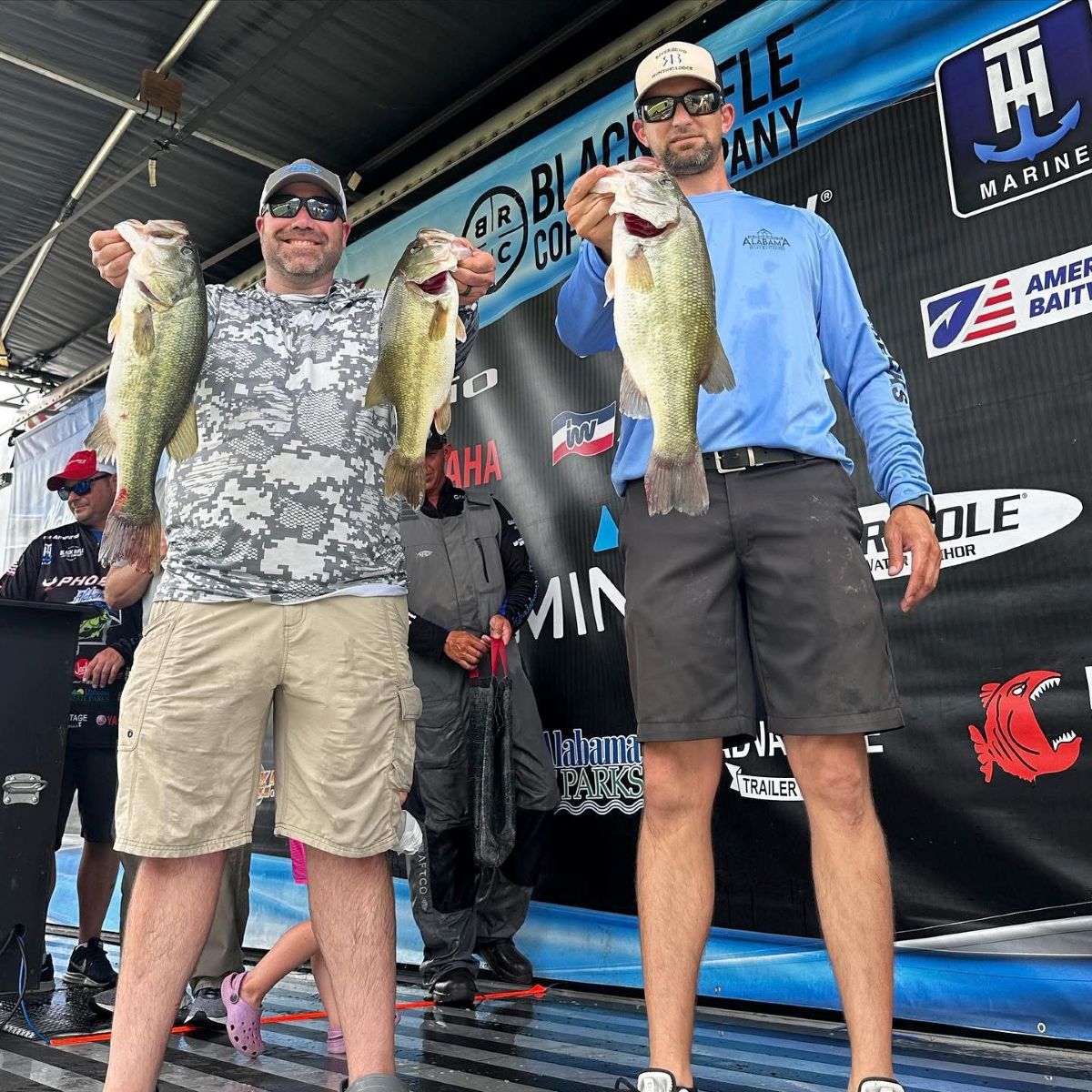
Even with the uncertainty, neither angler expects this event to be won with a mediocre bag. Lay still has too much upside this time of year for that. Harris said it could still take 22 to 24 pounds to win, and that feels like a realistic benchmark for a lake with quality spotted bass, staging largemouth, and the possibility of a few key bites from the right area. In other words, even if the lake fishes inconsistently, the team that lands on the best mix could still separate.
What makes the event more compelling is that the weights below that top tier may fall off quickly. “You’ll see probably 50 people that won’t have a limit, I would think,” Harris said. That gap says everything about the type of tournament this could become. There may be enough fish in the system for somebody to post a big number, but getting five quality bites could still be a real challenge for much of the field. That creates the kind of event where one late adjustment, one section decision, or one well timed flurry can swing an entire standings sheet.
For teams aiming simply to collect a check and build momentum in the points race, Bradley’s estimate may be the more useful number. “Sixteen,” Bradley said when asked what it would take to get paid. That number feels important in a second South Division stop. At this point in the season, some teams will still be swinging for a win, but many will also be thinking about surviving a volatile tournament, protecting points, and staying in position as the division schedule keeps moving.
Pressure, Boat Traffic, and the Right Kind of Patience
Boat traffic will also shape how Lay fishes. With 225 boats in the field, certain community areas and obvious sections are going to draw attention. Bradley expects the dam, lower end areas, and high percentage stretches around Beeswax and below the Narrows to draw plenty of pressure if conditions support those patterns. But even with that pressure, Lay can still spread anglers out because not every section will appeal to the same type of fisherman.
That means patience becomes part of the equation. A team that believes in a section may need to stay with it long enough for it to develop rather than abandoning it too quickly. A team that gets spun out by the number of options may never really settle into the rhythm of the day. In tournaments like this, confidence can become just as valuable as information.
What the Best Conditions Would Look Like
When asked about their ideal setup, Bradley and Harris were clear. They would like less current, more sunshine, clearer water, and conditions that allow them to target the fish they want rather than simply fish around them. They are not alone in that. Plenty of teams would prefer to spend this event identifying quality fish and setting up on the right ones rather than reacting to muddy water, pollen, and changing weather.
But tournaments are rarely won under ideal conditions. More often, they are won by the teams that respond fastest when ideal conditions never arrive. That may be the central tension of this event. Lay Lake has the potential to look incredible on paper right now, yet the actual tournament could come down to who adapts best to imperfect reality.
A Tournament That Could Change by the Hour
The final wildcard is still the weather. Late March tournaments in Alabama are always vulnerable to quick shifts, and both anglers emphasized just how quickly this lake can change. A cold snap late in the week followed by warming conditions could reposition fish again, improve or worsen visibility, and alter how each section sets up by Saturday morning.
“That’s the thing about this time of year,” Harris said. “It does not matter. It’ll change tomorrow.” That is what makes this tournament so compelling entering the week. There is enough uncertainty to create chaos, but also enough opportunity for somebody to hit it exactly right. The team that wins Lay Lake may not be the one with the most productive practice. It may be the one that best understands what the lake is trying to become by the time the first flight checks in.
Event Details and How to Watch
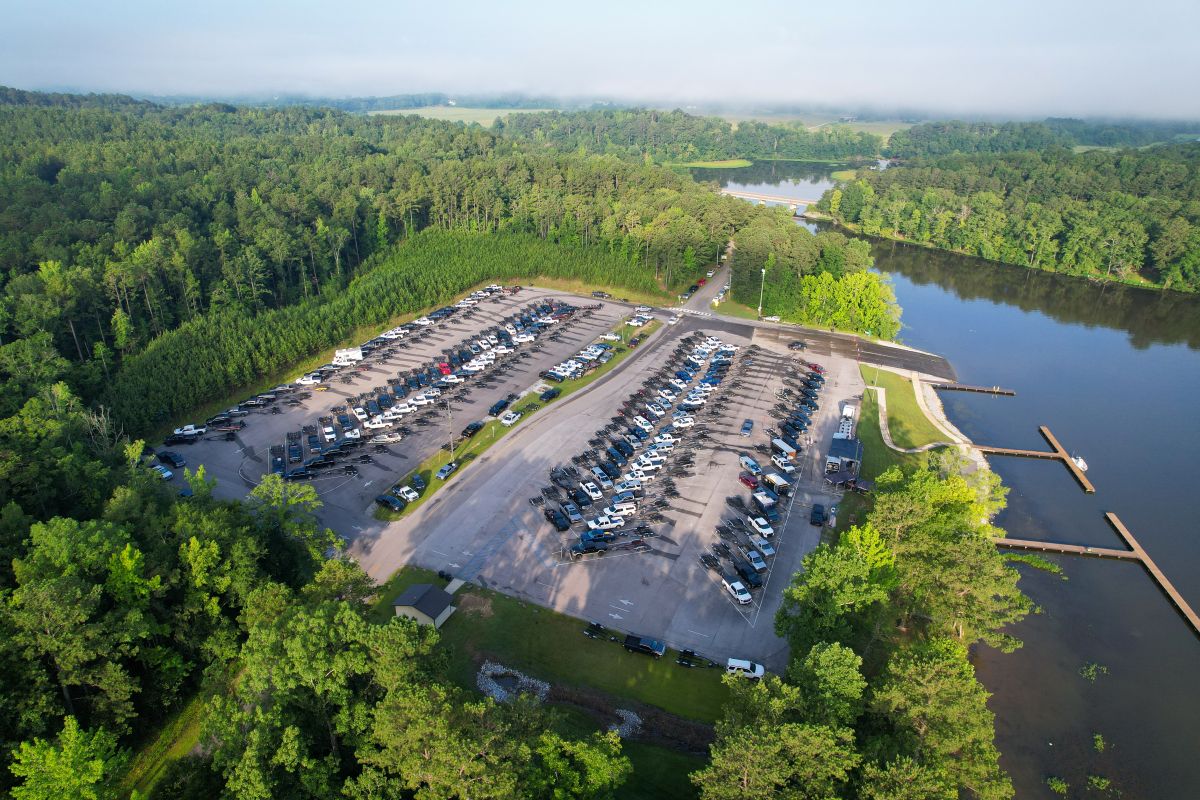
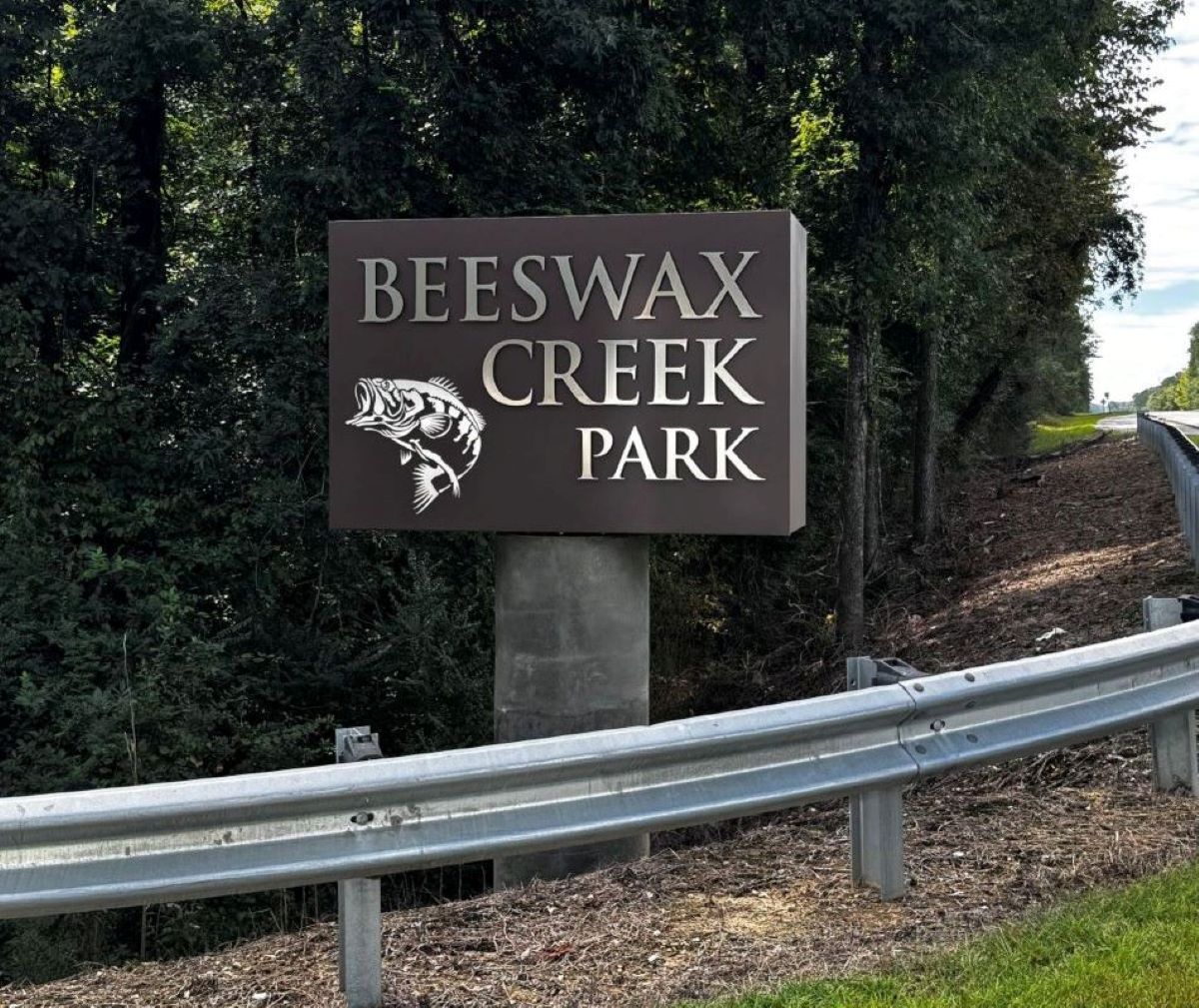
The Alabama Bass Trail South Division Lay Lake Tournament will launch from Beeswax Landing in Columbiana, Alabama, on Saturday, March 21, 2026.
Location
Beeswax Landing
245 Beeswax Park Road
Columbiana, AL 35051
Launch 7:00 A.M. or safe daylight
First Flight Weigh In 3:00 P.M.
Fans can follow along with live coverage starting at blast off, on the Alabama Bass Trail website, Facebook and Youtube. Then watch the weigh in as teams bring their best five to the scales at Beeswax Landing.
Download and listen to the ABT Podcast on your favorite podcast app by searching for “Alabama Bass Trail Podcast.” The podcast is released each week on Tuesday.
The 2026 Alabama Bass Trail Team Series is made possible through partnerships with industry leading brands: Phoenix Boats, AMFirst, Larry Puckett Chevrolet, 13 Fishing, Rapala, VMC, CRUSHCITY, Buffalo Rock, Academy Sports and Outdoors, Jack’s, Garmin, Thompson Tractor Company, Pirnah02, Alabama State Parks, Halo Fishing, Snag Proof, NetBait, Bait Fuel, Alfa Insurance Thomas ALFA MAN Shelton, TH Marine Supplies, Power- Pole, Pro Guide Batteries, Yamaha, SCUM FROG, E3 Sports Apparel, FishAlabama.org, Sweet Home Alabama, and Alabama Mountain Lakes.


The Alabama Bass Trail is a program of the Alabama Mountain Lakes Tourist Association.

©2026 Alabama Bass Trail | All Rights Reserved | Site by McComm