By Jason Duran
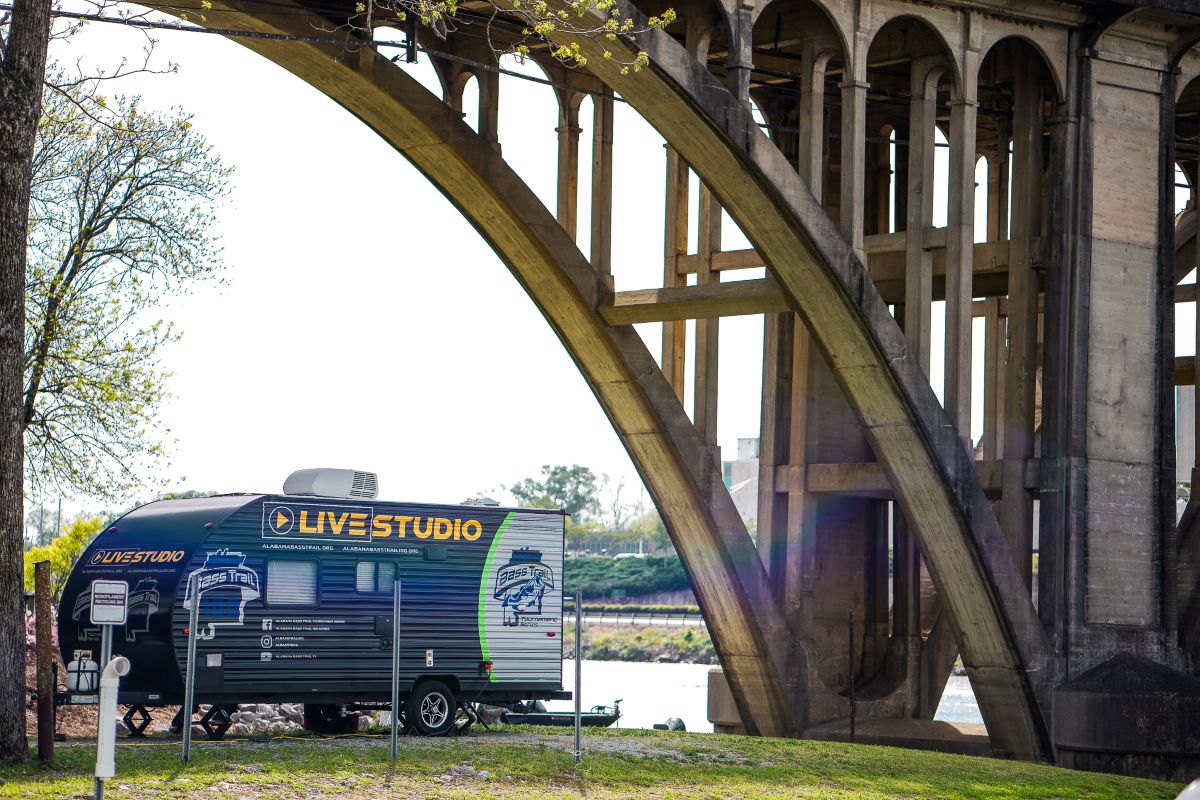
The Alabama Bass Trail North Division heads to Neely Henry Lake on April 18 for what may be one of the more nuanced tournaments of the spring schedule, a setting that appears to offer plenty of fish, plenty of options, and just enough instability to keep anyone from feeling completely comfortable.
On paper, mid-April at Neely Henry should be full of promise. The fish are shallow. The shad spawn is beginning to matter. Multiple sections of the lake can produce. Big bites are always in play. For a field full of anglers capable of capitalizing on a short feeding window, that sounds like the kind of setup that could lead to fireworks.
But the more revealing truth may be that this tournament is not shaping up as a clean, easy spring shootout. It is shaping up as a day that could reward the teams who best understand how to manage uncertainty.
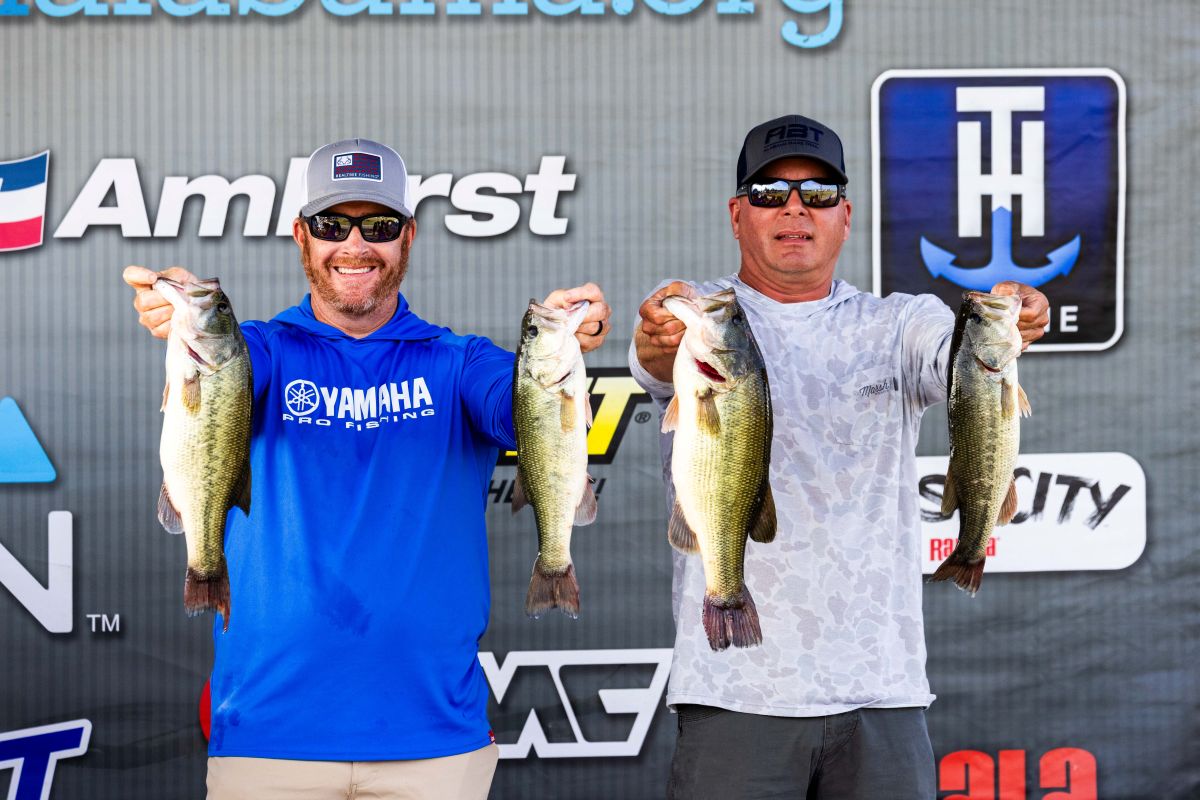
That was the consistent theme in a recent conversation with Scott Canterbury, who described a lake that is not locked into one phase, one area, or one dominant pattern. Instead, Neely Henry appears to be doing a little bit of everything at once.
“There’s fish coming to spawn, fish spawning, and fish that have already spawned,” Canterbury said. “The shad spawn is going to be a big player there this week for sure.”
That one observation says almost everything about the challenge ahead.
When a lake is spread across multiple stages of the spawn, it gives anglers more possible ways to catch them, but it also makes decision-making more complicated. It becomes harder to commit fully to one pattern. It becomes easier to second guess the area you are in. And in a tournament like this, uncertainty has a way of feeling heavier because there is no room to recover from a bad read.
The shad spawn may be the clearest example of that.
On a fishery like Neely Henry, those early-morning feeding windows can create the kind of momentum that defines an entire tournament day. A team that lands on the right stretch at daylight could catch most of its winning weight before much of the field has settled in.
It would not be surprising to see a team catch 18 to 20 pounds in the first hour if everything lines up correctly.
But those windows are short, and once they close, the entire tone of the day changes.
“It’s going to be a grinder,” Canterbury said. “You just have to build a bag up all day.”
That shift is where this tournament will be won or lost.
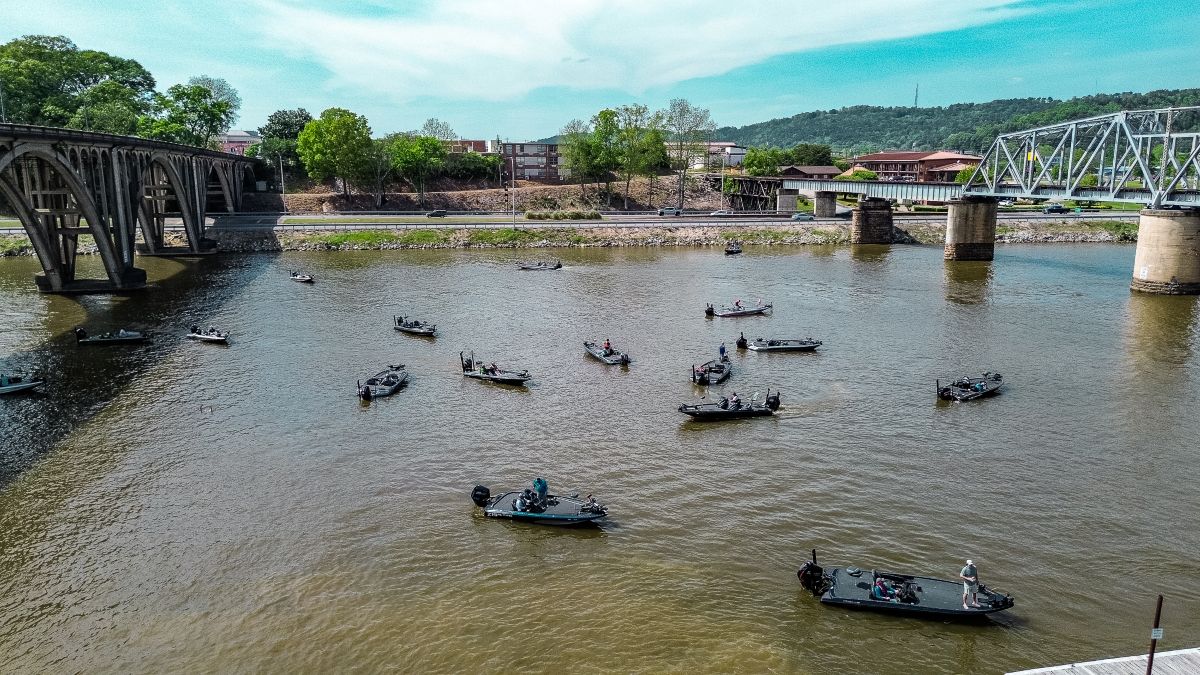
This does not feel like a run-and-gun event where anglers simply move from spot to spot collecting easy limits. It feels like a day where quality bites will come in stages, where anglers will need to stay mentally locked in, and where patience will matter just as much as execution.
A couple of early fish may set the tone, but it will likely take mid-day adjustments and a late upgrade to put together a winning bag.
The layout of the lake only adds to that complexity.
While Neely Henry is known for its shallow grass bite later in the year, that grass has not fully developed yet. The lower end is beginning to show signs of life, but other sections of the lake, particularly around mid-lake, are still lagging behind.
That forces fish to use alternative cover.
Wood, shallow targets, and subtle irregularities are becoming more important, especially in areas where anglers might normally rely on grass to define their approach. That shift can make the lake feel smaller, concentrating both fish and anglers into more limited high-percentage stretches.
Further up the river, spotted bass could factor into the equation, especially if current is present. While that pattern may not be as consistent, it offers an entirely different look and could provide key bites for teams willing to commit to it.
All of it reinforces the same idea. This is not a one-pattern tournament. It is a decision-making tournament.
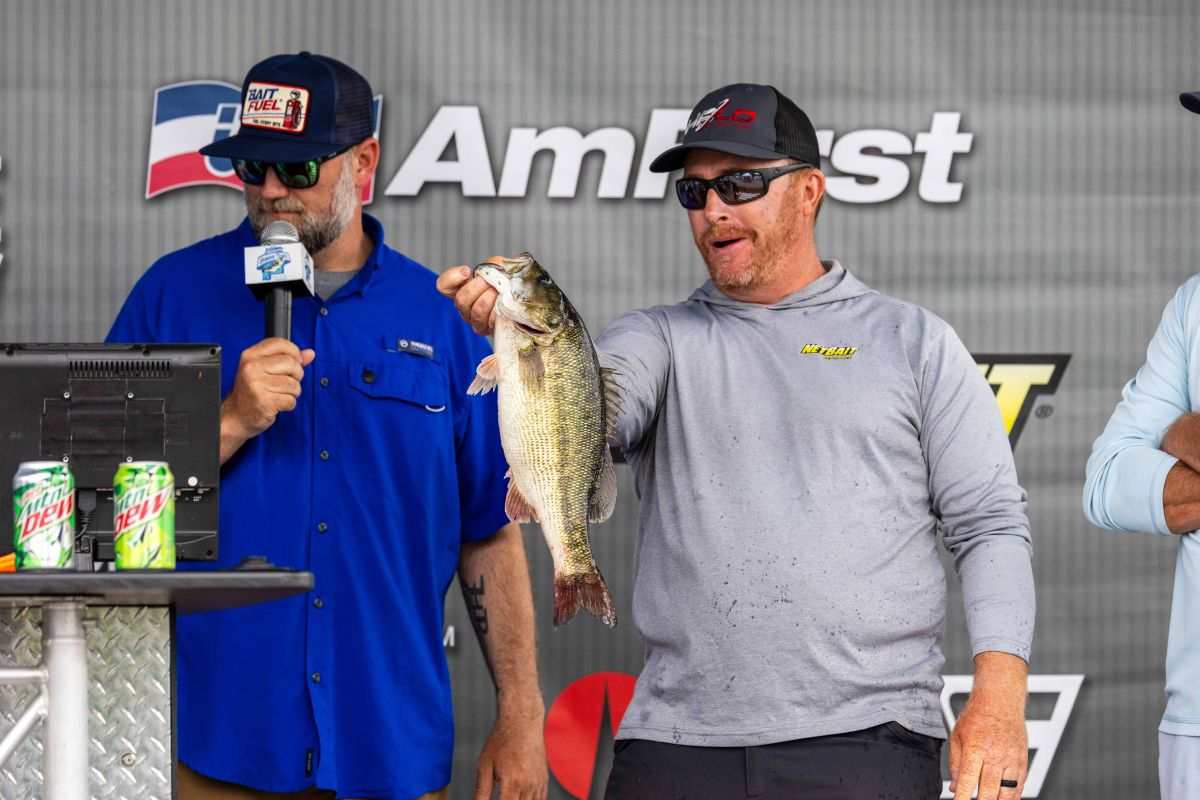
The baits Canterbury pointed to match that mindset.
A swim jig and a frog are expected to be key players, both built for shallow water and for covering water efficiently. They allow anglers to trigger reaction bites and take advantage of short feeding windows, particularly around the shad spawn.
This is not shaping up as a forward-facing sonar dominated event, and limited visibility makes traditional sight fishing less effective. Instead, success will likely come from reading water, trusting instincts, and making adjustments throughout the day.
As for what it will take to win, Canterbury believes a strong bag will be within reach, but not easily.
A limit in the 16 to 18-pound range should put a team in contention, but it will likely take more to separate. With the potential for a big bite or two, weights could push into the 20 to 23-pound range for the team that connects on the right moment.
That range tells the story.
This feels like a tournament where consistency builds the foundation, but a single fish or two could ultimately decide the outcome.
For anglers unfamiliar with Neely Henry, the approach remains simple.
“You can’t fish too shallow,” Canterbury said. “It’s impossible to fish too shallow.”
That principle defines this lake.
There are few places where anglers can spend an entire day in three feet of water or less and still feel confident they are around winning fish. Neely Henry continues to offer that opportunity, even as conditions shift.
At the same time, it remains a river system that demands attention. Navigation, positioning, and efficiency all play a role, especially in a tournament where timing could be everything.
Launch and weigh-in for this event will take place at Coosa Landing in Gadsden, Alabama, located at 1 Huff Drive. Anglers will launch at 6:30 A.M. or safe daylight, with the first flight due in at 2:30 P.M.
Fans can watch live on-the-water coverage and follow the weigh-in by visiting the Alabama Bass Trail website, Facebook page, and YouTube channel at alabamabasstrail.org.
In the end, Neely Henry may not reward the team that finds the cleanest pattern.
It may reward the team that best understands how quickly the day can change, stays patient through the slow stretches, and capitalizes on the handful of moments that can turn a solid day into a winning one.
The 2026 Alabama Bass Trail Team Series is made possible through partnerships with industry leading brands: Phoenix Boats, AMFirst, Larry Puckett Chevrolet, 13 Fishing, Rapala, VMC, CRUSHCITY, Buffalo Rock, Academy Sports and Outdoors, Jack’s, Garmin, Thompson Tractor Company, Pirnah02, Alabama State Parks, Halo Fishing, Snag Proof, NetBait, Bait Fuel, Alfa Insurance Thomas ALFA MAN Shelton, TH Marine Supplies, Power Pole, Pro Guide Batteries, Yamaha, SCUM FROG, E3 Sports Apparel, FishAlabama.org, Sweet Home Alabama, and Alabama Mountain Lakes.


The Alabama Bass Trail is a program of the Alabama Mountain Lakes Tourist Association.

©2026 Alabama Bass Trail | All Rights Reserved | Site by McComm